
What it is
Industrial robotics is a rapidly evolving field that combines artificial intelligence, machine learning, and computer vision to create intelligent machines that can perform complex tasks with precision and speed. These robots are designed to work alongside humans, enhancing productivity, efficiency, and safety in various industries such as manufacturing, logistics, and healthcare. They can be programmed to learn from experience, adapt to new situations, and even interact with humans in a more natural way.
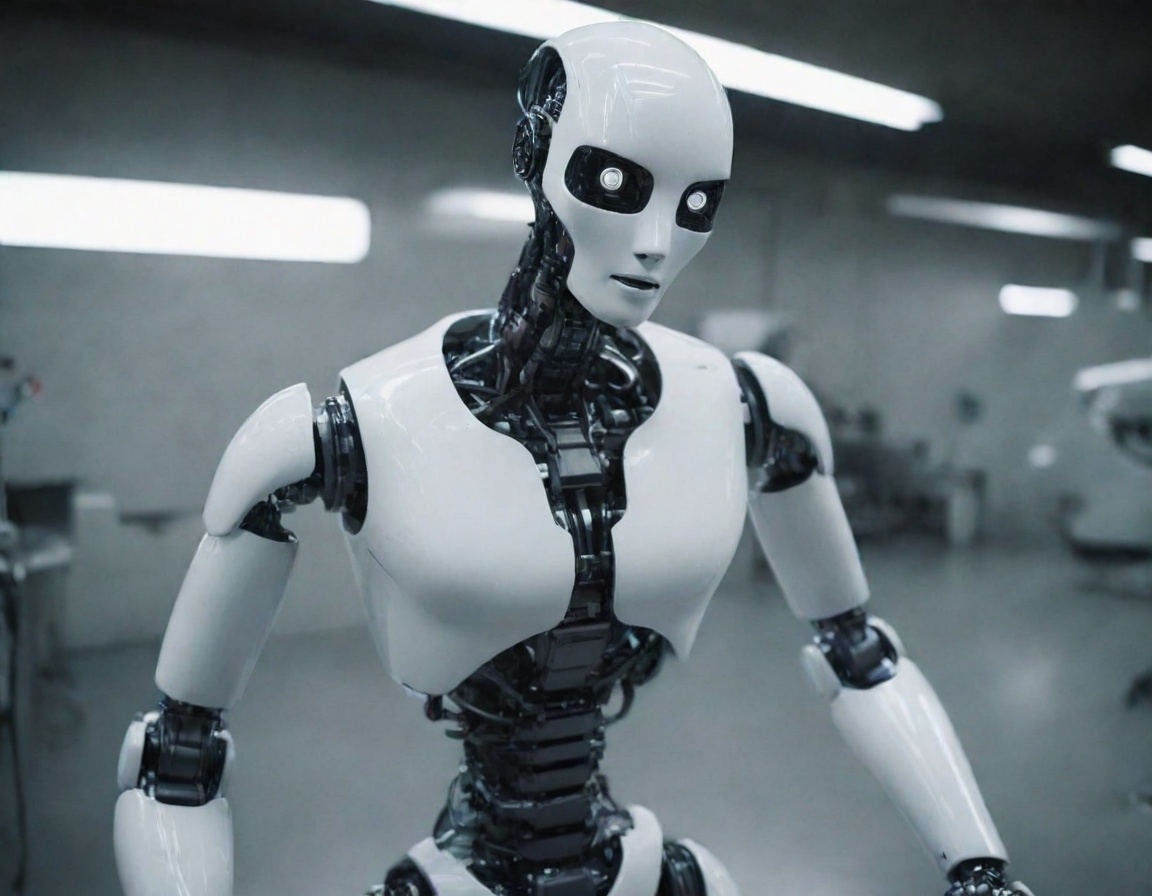
Industrial robots come in various forms, including humanoid robots, collaborative robots (cobots), and autonomous mobile robots. Humanoid robots are designed to mimic human appearance and movement, while cobots are designed to work alongside humans in close proximity. Autonomous mobile robots are equipped with sensors and navigation systems that enable them to move around and perform tasks independently.
Why it matters
The future of industrial robotics holds significant promise for transforming the way we work and live. By automating repetitive and hazardous tasks, robots can free humans from mundane work, reduce the risk of accidents, and improve overall productivity. Additionally, robots can help bridge the skills gap in industries where there is a shortage of skilled workers.
Industrial robots can also play a crucial role in addressing some of the world's most pressing challenges, such as climate change and sustainability. For example, robots can be used to inspect and maintain infrastructure, detect and prevent environmental disasters, and optimize energy consumption.
Where you’ll see it first
The impact of industrial robotics will be felt across various industries, but some sectors will be more affected than others. Manufacturing, logistics, and healthcare are likely to be at the forefront of the robotics revolution, with robots being used to perform tasks such as assembly, packaging, and patient care.
In manufacturing, robots will be used to optimize production processes, improve product quality, and reduce waste. In logistics, robots will be used to automate tasks such as sorting, packing, and shipping. In healthcare, robots will be used to assist with surgeries, provide patient care, and perform administrative tasks.
The trade-offs and worries
While industrial robotics holds significant promise, there are also concerns about the impact on jobs and the potential for robots to displace human workers. As robots become more advanced and capable, there is a risk that they will take over tasks that were previously performed by humans, leading to job losses and social disruption.
Additionally, there are concerns about the safety and security of robots, particularly in industries where they are used to perform tasks that involve high levels of risk or sensitivity. There is also a need for greater transparency and accountability in the development and deployment of robots, particularly in industries where they are used to make decisions that affect human lives.
What to watch next
As industrial robotics continues to evolve, there are several trends and developments that will shape the future of the industry. One of the key areas of focus will be on the development of more advanced and sophisticated robots that can learn and adapt to new situations. This will involve the use of artificial intelligence and machine learning algorithms that enable robots to learn from experience and improve their performance over time.
Another area of focus will be on the development of more human-like robots that can interact with humans in a more natural way. This will involve the use of advanced computer vision and natural language processing algorithms that enable robots to understand and respond to human emotions and behavior.
Conclusion
The future of industrial robotics is a rapidly evolving field that holds significant promise for transforming the way we work and live. As robots become more advanced and capable, they will play a crucial role in enhancing productivity, efficiency, and safety in various industries. However, there are also concerns about the impact on jobs and the potential for robots to displace human workers. As we move forward, it is essential that we prioritize transparency, accountability, and human-centered design to ensure that robots are developed and deployed in a way that benefits society as a whole. The future of work is not just about machines, but about people – and it's time to get ready for the robots.