
What it is
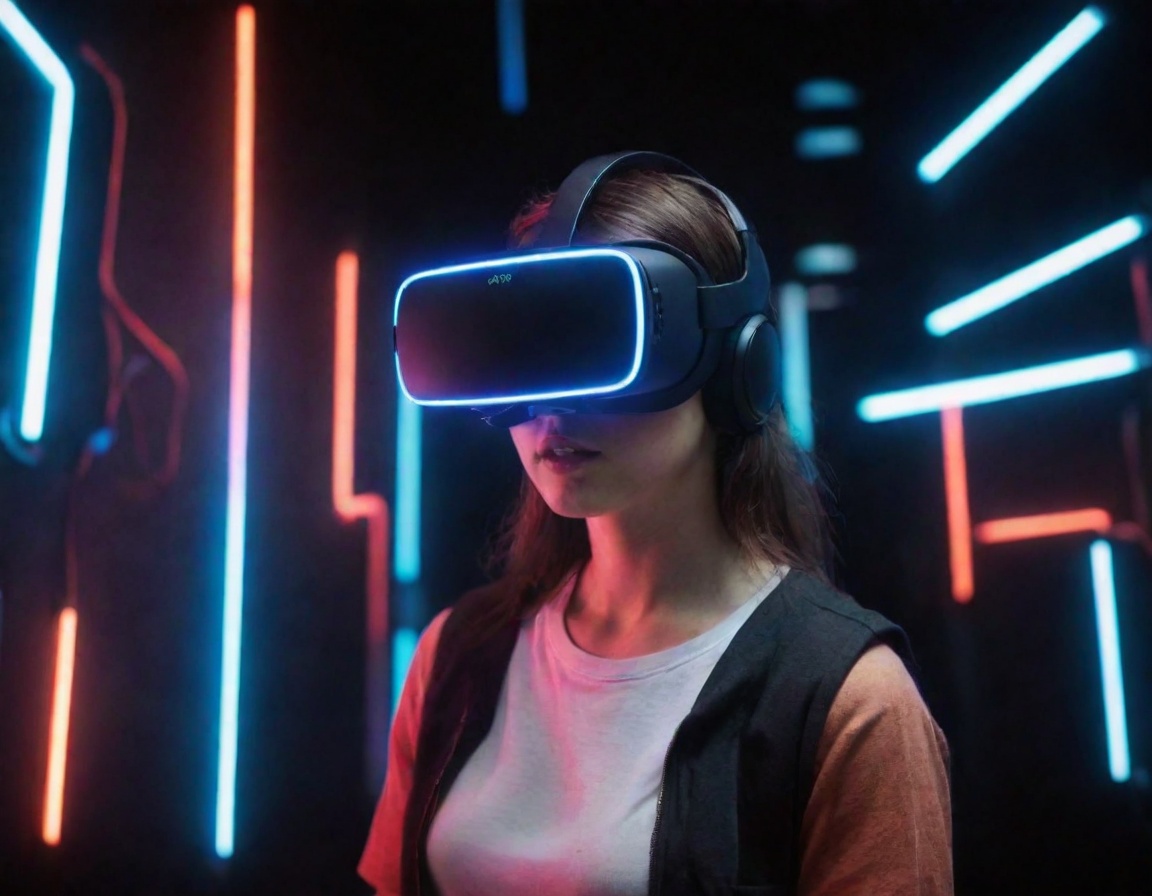
Spatial computing is an emerging field that combines computer vision, machine learning, and augmented reality (AR) to create immersive and interactive experiences. It enables computers to perceive and understand the physical world, allowing users to interact with virtual objects and environments in a more natural and intuitive way. This technology has the potential to revolutionize various industries, from education and entertainment to healthcare and manufacturing.
Imagine being able to walk into a virtual store and try on clothes without physically changing, or being able to see 3D models of buildings and cities before they're even built. Spatial computing makes these scenarios possible by using cameras, sensors, and algorithms to track the user's movements and create a seamless blend of the physical and digital worlds.
Why it matters
Spatial computing has the potential to transform the way we interact with information and each other. It can enable new forms of communication, collaboration, and education, and can also improve the way we design and manufacture products. By creating immersive and interactive experiences, spatial computing can increase engagement, retention, and understanding, leading to better outcomes in various fields.
For example, in education, spatial computing can be used to create interactive 3D models of historical events or scientific concepts, making learning more engaging and effective. In healthcare, it can be used to create virtual reality experiences that help patients overcome phobias or anxieties, or to train medical professionals in complex procedures.
Where you’ll see it first
Spatial computing is already being used in various industries and applications, from gaming and entertainment to education and healthcare. You may have already experienced it in the form of AR glasses or headsets, or through interactive exhibits and installations. As the technology continues to evolve, we can expect to see more widespread adoption and integration into our daily lives.
For instance, IKEA has already launched an AR app that allows customers to see how furniture would look in their homes before making a purchase. Similarly, architects and designers are using spatial computing to create immersive and interactive models of buildings and cities, allowing stakeholders to visualize and interact with the design in a more engaging and effective way.
The trade-offs and worries
While spatial computing has the potential to revolutionize various industries and applications, it also raises several concerns and trade-offs. For instance, the use of cameras and sensors to track user movements raises concerns about privacy and data security. Additionally, the immersive and interactive nature of spatial computing can be disorienting and even cause motion sickness in some users.
Furthermore, the development and deployment of spatial computing technologies require significant investments in hardware, software, and infrastructure, which can be a barrier to adoption for some organizations and individuals. Finally, the potential for spatial computing to create new forms of addiction and social isolation is a concern that needs to be addressed.
What to watch next
As spatial computing continues to evolve and mature, we can expect to see new and innovative applications and use cases emerge. Some areas to watch include:
* The development of more advanced and affordable AR glasses and headsets * The integration of spatial computing into more industries and applications, such as manufacturing and logistics * The creation of new forms of interactive and immersive content, such as virtual reality experiences and interactive 3D models * The development of new business models and revenue streams, such as subscription-based services and pay-per-use models
Conclusion
Spatial computing is an exciting and rapidly evolving field that has the potential to transform the way we interact with information and each other. As it continues to mature and mature, we can expect to see new and innovative applications and use cases emerge, from education and entertainment to healthcare and manufacturing. The future of spatial computing is bright, and it's an exciting time to be a part of it.