
What it is
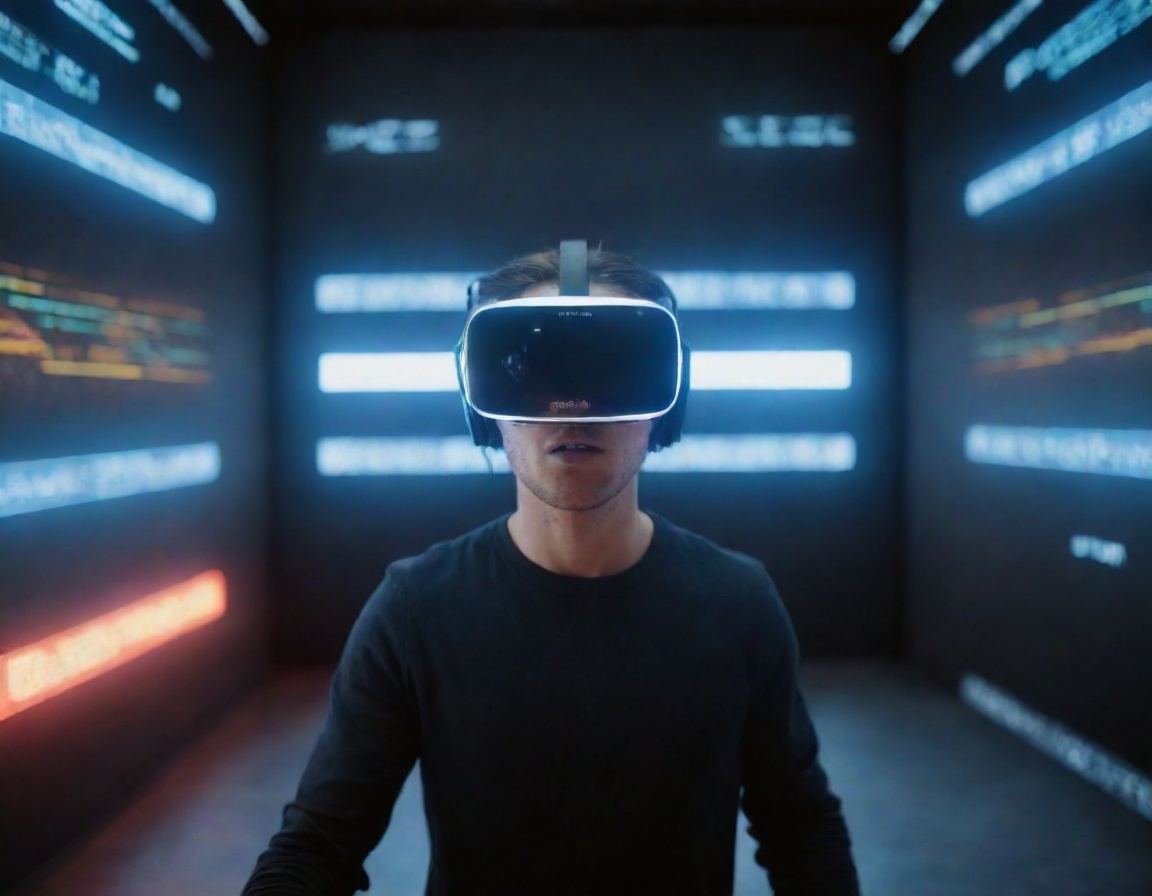
Virtual reality (VR) has long been associated with gaming, but its potential extends far beyond the realm of entertainment. In the future, VR will become an integral part of various industries, revolutionizing the way we work, learn, and interact with each other. This immersive technology will enable us to experience simulations, interact with virtual objects, and even influence the physical world.
Imagine stepping into a virtual office, where you can attend meetings, collaborate with colleagues, and access information without the need for physical equipment. Or picture yourself in a virtual classroom, where you can engage with interactive lessons, participate in discussions, and receive personalized feedback. These scenarios are not just possibilities; they are the future of virtual reality.
Why it matters
The impact of VR on various industries will be profound. In healthcare, for instance, VR can be used to train medical professionals, simulate surgeries, and even help patients overcome phobias. In education, VR can create immersive learning experiences that make complex concepts more accessible and engaging. In the workplace, VR can enhance productivity, reduce costs, and improve employee satisfaction.
Moreover, VR has the potential to address social and environmental issues. For example, virtual reality can be used to raise awareness about climate change, provide disaster relief training, and even help people with disabilities interact with the world in new ways.
Where you’ll see it first
The first applications of VR will likely be in industries that require high levels of training, such as healthcare, aviation, and the military. These organizations will be able to leverage VR to create realistic simulations, reduce costs, and improve performance. Additionally, VR will be used in education, where it can create engaging and interactive learning experiences that make complex concepts more accessible.
As VR becomes more widespread, we can expect to see its applications expand into other areas, such as entertainment, retail, and even real estate. Imagine being able to walk through a virtual home, explore a virtual city, or experience a virtual concert. These experiences will become increasingly common as VR technology continues to advance.
The trade-offs and worries
While VR has the potential to revolutionize various industries, there are also concerns about its impact on society. For instance, VR can be addictive, and excessive use can lead to social isolation, decreased productivity, and even mental health issues. Additionally, VR can exacerbate existing social and economic inequalities, as those with access to VR technology may have an unfair advantage over those who do not.
Moreover, VR raises questions about the nature of reality and our relationship with technology. As we become increasingly immersed in virtual worlds, we may begin to question the boundaries between the physical and virtual realms. This can lead to a loss of connection with the physical world and a sense of disorientation.
What to watch next
As VR continues to evolve, we can expect to see new applications and innovations emerge. Some of the most exciting developments include:
* **Mixed reality**: This technology combines the best of both worlds, allowing users to interact with virtual objects in the physical world. * **Augmented reality**: This technology overlays digital information onto the physical world, creating a more immersive and interactive experience. * **Brain-computer interfaces**: This technology enables users to control devices with their thoughts, opening up new possibilities for people with disabilities. * **Virtual reality for social good**: This technology is being used to raise awareness about social and environmental issues, provide disaster relief training, and even help people with disabilities interact with the world in new ways.
Conclusion
The future of virtual reality is bright, and its potential extends far beyond the realm of gaming. As VR continues to evolve, we can expect to see new applications and innovations emerge, transforming the way we work, learn, and interact with each other. The possibilities are endless, and the future is full of promise.