What it is
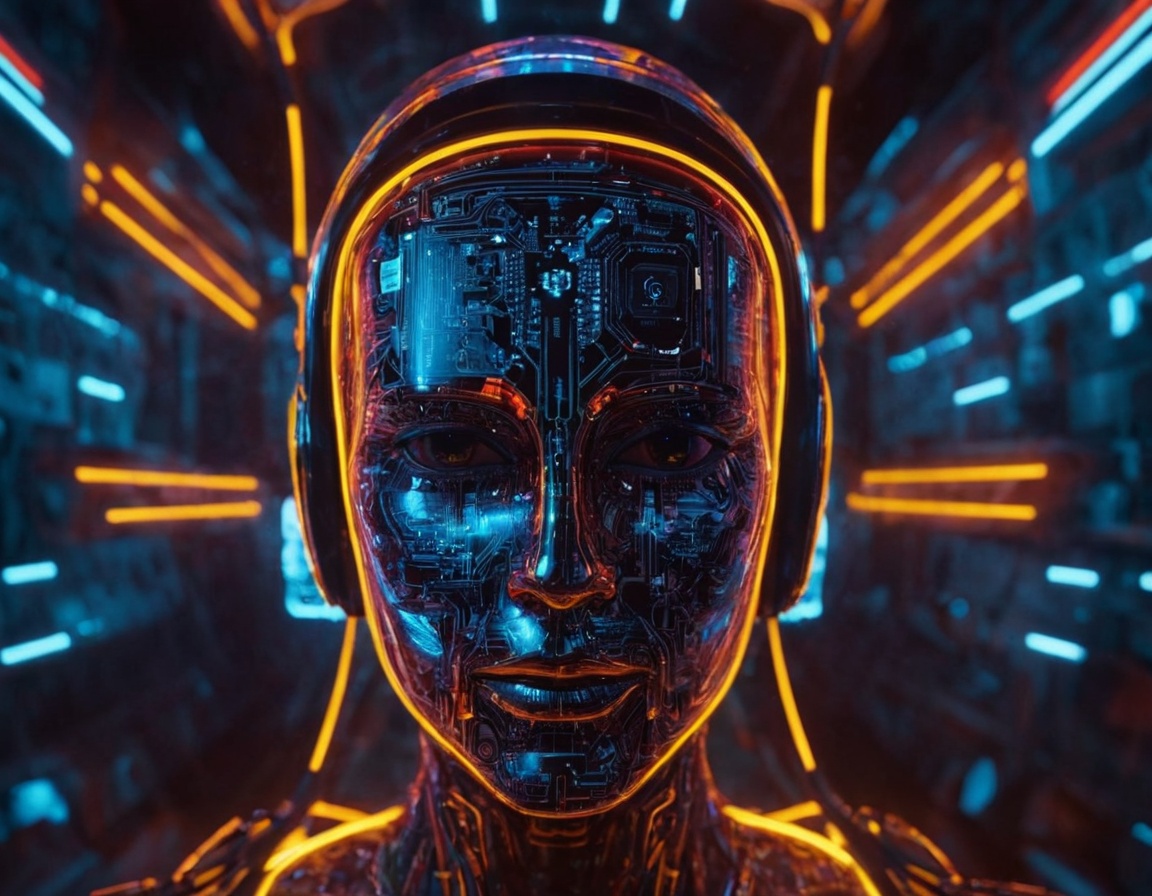
Artificial intelligence (AI) and creativity are two concepts that have long been considered mutually exclusive. While AI is often associated with precision, logic, and efficiency, creativity is seen as a uniquely human trait, characterized by imagination, intuition, and originality. However, as AI technology advances, we're witnessing a fascinating convergence of these two seemingly disparate concepts. AI systems are now being designed to generate novel ideas, compositions, and even entire works of art, blurring the lines between human and machine creativity.
This development is made possible by the integration of various AI techniques, such as machine learning, natural language processing, and generative models. These tools enable AI systems to analyze vast amounts of data, identify patterns, and make connections that might elude human creators. By leveraging these capabilities, AI can produce innovative solutions, artistic expressions, and even entire narratives that are both surprising and coherent.
Why it matters
The intersection of AI and creativity has significant implications for various fields, including art, design, music, literature, and even science. By harnessing the power of AI, creators can tap into new sources of inspiration, explore novel ideas, and push the boundaries of their respective disciplines. AI can also assist human creatives in tasks such as research, prototyping, and iteration, freeing them to focus on the most critical aspects of their work.
Moreover, the collaboration between humans and AI can lead to the creation of unique, hybrid forms of art and design that blend the best of both worlds. This synergy can result in innovative solutions that are both aesthetically pleasing and functionally effective, with the potential to transform industries and societies.
Where you’ll see it first
The intersection of AI and creativity is already being explored in various domains, including:
* Art: AI-generated paintings, sculptures, and installations are being exhibited in galleries and museums worldwide. * Music: AI-powered composition tools are being used to create original music, from classical pieces to electronic tracks. * Literature: AI-assisted writing tools are being used to generate novels, poetry, and even entire scripts. * Design: AI-driven design tools are being used to create innovative products, from furniture to fashion.
These developments are not only pushing the boundaries of creativity but also challenging our understanding of what it means to be creative in the first place.
The trade-offs and worries
While the intersection of AI and creativity holds immense promise, it also raises important questions and concerns. For instance:
* Will AI-generated art and design be considered authentic or original? * Will AI-assisted creativity lead to a homogenization of styles and ideas? * Will humans lose their unique creative edge in the face of AI's capabilities? * Will AI-generated content be used to manipulate or deceive audiences?
These concerns highlight the need for a nuanced understanding of the role of AI in creativity and the importance of human judgment and critical thinking in evaluating the output of AI systems.
What to watch next
As AI technology continues to advance, we can expect to see even more innovative applications of AI in creativity. Some potential areas to watch include:
* AI-generated film and video content * AI-assisted game development * AI-driven product design and manufacturing * AI-powered virtual reality experiences
These developments will not only push the boundaries of creativity but also challenge our understanding of what it means to be human in a world where machines are increasingly capable of creative expression.
Conclusion
The intersection of AI and creativity is a fascinating and rapidly evolving field that holds immense promise for innovation and artistic expression. As we continue to explore the possibilities of AI-assisted creativity, we must also address the challenges and concerns that arise from this convergence. By embracing the potential of AI and human collaboration, we can create new forms of art, design, and innovation that are both surprising and meaningful. And as we look to the future, one thing is clear: the machines are learning to think outside the box, and the possibilities are endless.