
What it is
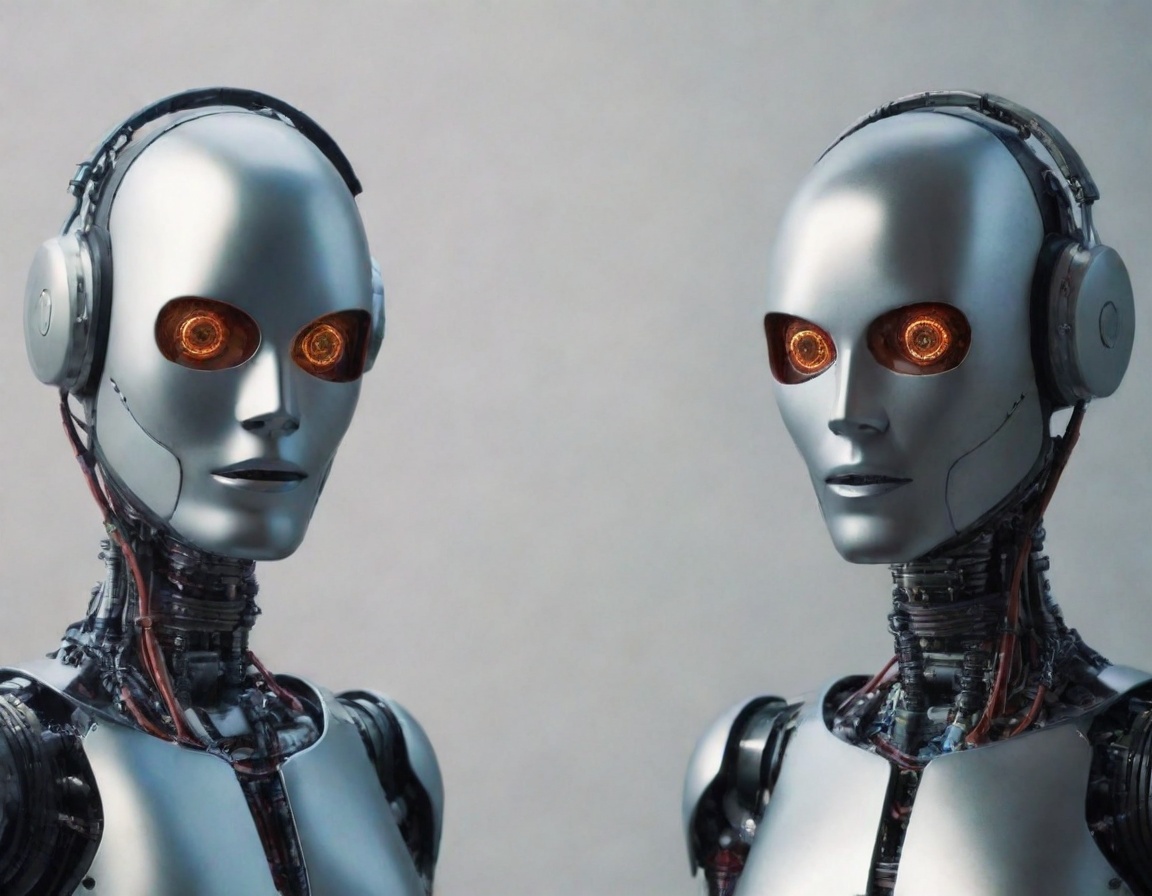
Service robots are machines designed to perform tasks that benefit humans, often in a domestic or public setting. These robots can be as simple as a vacuum cleaner or as complex as a humanoid assistant. They use sensors, artificial intelligence, and other technologies to navigate and interact with their environment. Service robots can be categorized into several types, including:
* Domestic robots, which assist with household chores such as cleaning and cooking * Healthcare robots, which provide assistance and companionship to patients and elderly individuals * Industrial robots, which perform tasks such as assembly and inspection in manufacturing settings * Public service robots, which provide information and assistance to the public in areas such as transportation and tourism
Why it matters
Service robots have the potential to revolutionize the way we live and work. They can provide assistance and support to individuals with disabilities, elderly individuals, and those in need of care. They can also improve efficiency and productivity in various industries, such as healthcare and manufacturing. Additionally, service robots can help to reduce costs and improve quality of life for individuals and communities.
Where you’ll see it first
Service robots are already being used in various settings around the world. In Japan, robots are being used to assist with caregiving and household chores for the elderly. In the United States, robots are being used in hospitals and healthcare facilities to provide assistance and support to patients. In Europe, robots are being used in manufacturing settings to improve efficiency and productivity.
The trade-offs and worries
While service robots have the potential to bring many benefits, there are also concerns and worries about their use. Some of the trade-offs and worries include:
* Job displacement: As robots take on more tasks and responsibilities, there is a risk that human workers may lose their jobs. * Dependence on technology: As we become more reliant on service robots, there is a risk that we may become too dependent on technology and lose important skills and abilities. * Safety and security: As robots become more advanced and capable, there is a risk that they may pose a safety and security risk to humans. * Ethics and morality: As robots become more advanced and capable, there are questions about their ethics and morality, and whether they should be treated as machines or as living beings.
What to watch next
As service robots continue to evolve and improve, there are several areas to watch in the coming years. Some of these areas include:
* Advancements in artificial intelligence and machine learning, which will enable robots to become more intelligent and capable. * Increased use of robots in healthcare and social care settings, where they can provide assistance and support to individuals in need. * Development of more advanced and sophisticated robots that can perform complex tasks and interact with humans in more natural and intuitive ways. * Growing use of robots in public spaces, such as transportation hubs and tourist areas, where they can provide information and assistance to the public.
Conclusion
As service robots continue to transform the way we live and work, it is clear that they will play an increasingly important role in our daily lives. Whether it's in the form of a helpful assistant or a complex machine, service robots have the potential to bring many benefits and improvements to our lives. As we move forward, it will be essential to carefully consider the trade-offs and worries associated with service robots, and to ensure that they are developed and used in ways that benefit both humans and society as a whole.
Emerging Trends and Applications
In addition to the areas mentioned earlier, there are several emerging trends and applications of service robots that are worth noting. One of these is the use of robots in disaster response and recovery efforts. Service robots can be used to search for survivors, provide critical care, and assist in the cleanup and rebuilding process.
Another area of growth is the use of robots in education and training. Service robots can be used to provide interactive and immersive learning experiences, and to help students develop important skills such as programming and robotics.
The use of robots in agriculture is also becoming increasingly important, as the global population continues to grow and the need for sustainable food production increases. Service robots can be used to automate tasks such as planting, harvesting, and crop monitoring, and to help farmers make more informed decisions about their crops.
Future Developments and Challenges
As service robots continue to evolve and improve, there are several future developments and challenges that will need to be addressed. One of these is the need for more advanced and sophisticated artificial intelligence and machine learning capabilities, which will enable robots to become more intelligent and capable.
Another challenge is the need for more effective and efficient communication between humans and robots, which will enable robots to interact with humans in more natural and intuitive ways. This will require the development of more advanced and sophisticated natural language processing and human-computer interaction technologies.
Conclusion
As service robots continue to transform the way we live and work, it is clear that they will play an increasingly important role in our daily lives. Whether it's in the form of a helpful assistant or a complex machine, service robots have the potential to bring many benefits and improvements to our lives. As we move forward, it will be essential to carefully consider the trade-offs and worries associated with service robots, and to ensure that they are developed and used in ways that benefit both humans and society as a whole.