
What it is
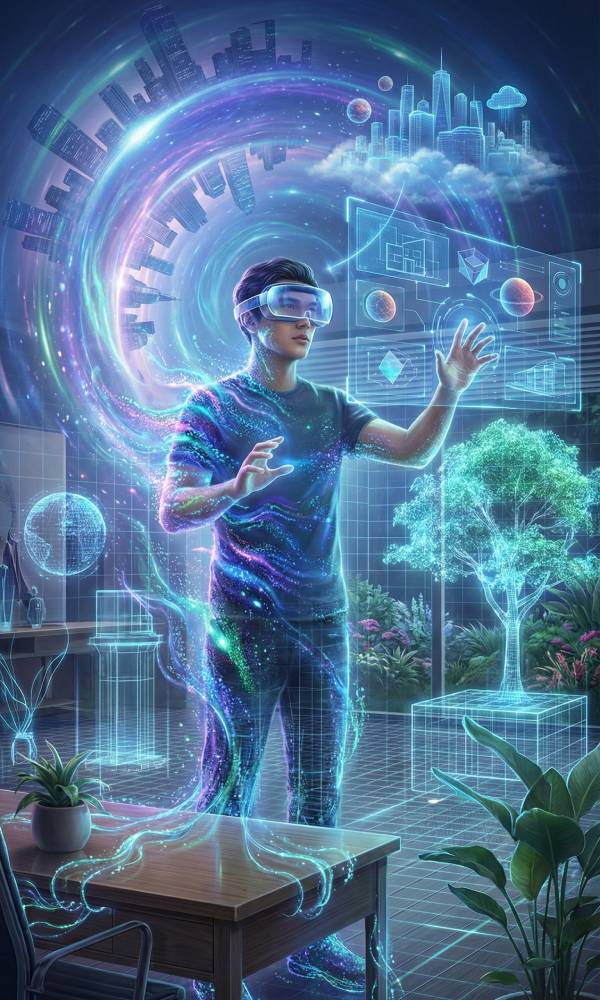
Extended Reality (XR) technology has made tremendous strides in recent years, and one of its most fascinating applications is in the realm of memory recall. XR combines elements of Virtual Reality (VR), Augmented Reality (AR), and Mixed Reality (MR) to create an immersive experience that can transport us back in time. By leveraging this technology, researchers and scientists are developing innovative ways to unlock and relive memories, both personal and collective.
Imagine being able to relive a cherished childhood memory with perfect clarity, or to experience the thrill of a historic event as if you were there. XR technology makes this possible by recreating the sights, sounds, and even emotions of a particular moment in time. This can be achieved through the use of 3D models, virtual environments, and even brain-computer interfaces that can read and interpret neural signals.
Why it matters
Unlocking memories with XR technology has far-reaching implications for various fields, including psychology, neuroscience, and education. By allowing people to relive and re-experience memories, researchers can gain a deeper understanding of how our brains process and store information. This knowledge can be used to develop new treatments for memory-related disorders, such as Alzheimer's disease and post-traumatic stress disorder (PTSD).
Moreover, XR technology can revolutionize the way we learn and interact with historical events. Imagine being able to walk through a recreated ancient city, or to witness a pivotal moment in history as if you were there. This can make learning more engaging, interactive, and memorable, and can help to preserve cultural heritage for future generations.
Where you’ll see it first
The applications of XR technology in memory recall are already being explored in various fields, including:
* **Museums and cultural institutions**: Many museums and cultural institutions are using XR technology to recreate historical environments and events, allowing visitors to experience the past in a more immersive and engaging way. * **Therapy and treatment centers**: Researchers are using XR technology to develop new treatments for memory-related disorders, such as Alzheimer's disease and PTSD. * **Education and learning platforms**: XR technology is being used to create interactive and immersive learning experiences that can make learning more engaging and memorable.
The trade-offs and worries
While XR technology has the potential to revolutionize the way we interact with our past, there are also concerns about its impact on our mental and emotional well-being. For example:
* **Emotional overload**: Reliving traumatic memories can be emotionally overwhelming, and can even trigger anxiety and depression. * **Loss of context**: XR technology can create a sense of detachment from the real world, making it difficult to distinguish between reality and fantasy. * **Dependence on technology**: Over-reliance on XR technology can lead to a loss of critical thinking skills and a diminished ability to engage with the world around us.
What to watch next
As XR technology continues to evolve, we can expect to see even more innovative applications in the realm of memory recall. Some potential developments to watch out for include:
* **Brain-computer interfaces**: Advances in brain-computer interfaces could allow people to control XR experiences with their thoughts, rather than relying on controllers or other devices. * **Virtual reality therapy**: VR technology could be used to create immersive and interactive therapy experiences that can help people overcome anxiety, depression, and other mental health conditions. * **Mixed reality storytelling**: MR technology could be used to create interactive and immersive stories that combine elements of reality and fantasy.
Conclusion
Unlocking memories with XR technology is a revolutionary concept that has the potential to change the way we interact with our past. As this technology continues to evolve, we can expect to see even more innovative applications in the realm of memory recall. Whether it's reliving cherished childhood memories or experiencing historic events in a new and immersive way, XR technology is opening up new possibilities for how we learn, interact, and engage with the world around us. And as we continue to push the boundaries of what's possible, one thing is clear: the future of memory recall is brighter than ever.