
What it is
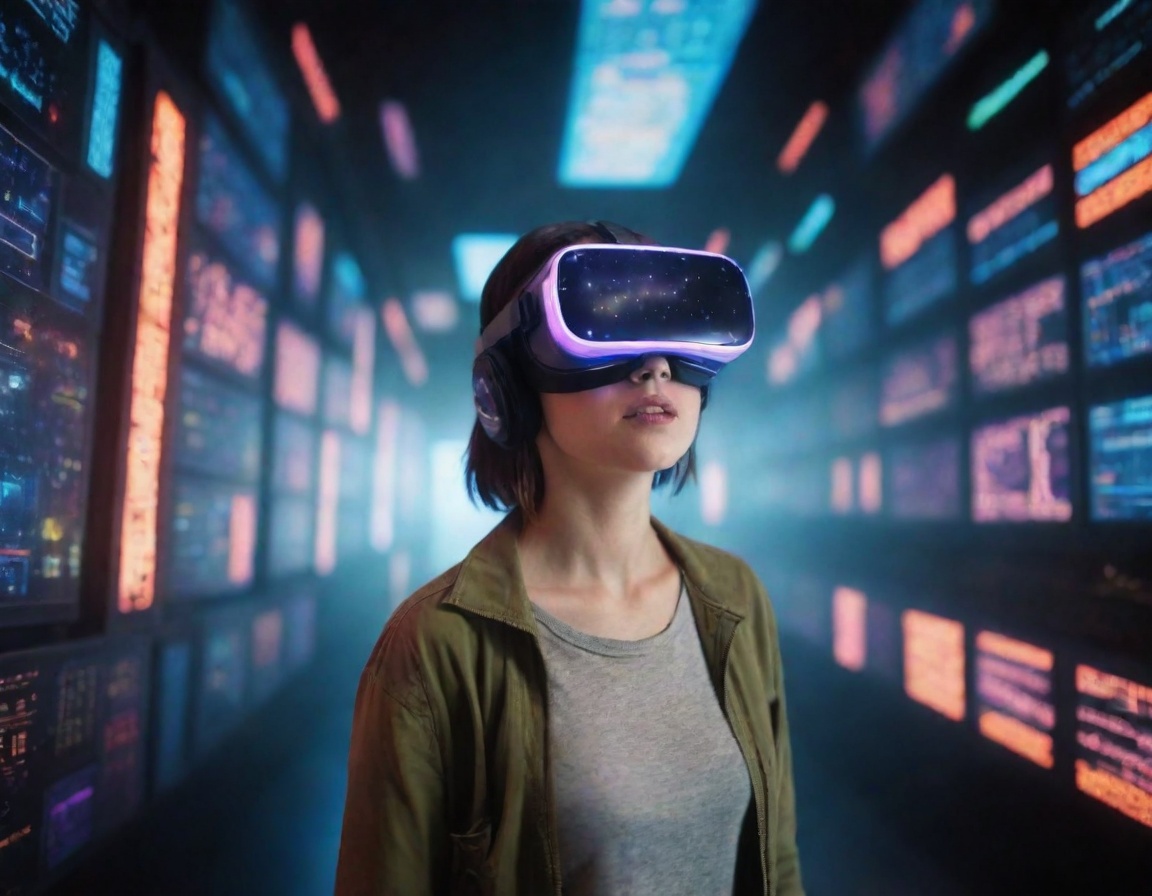
Spatial computing is an emerging field that combines computer vision, machine learning, and augmented reality (AR) to create immersive and interactive experiences. It's an extension of traditional computing, where data is no longer confined to a 2D screen but is instead projected into the physical world, allowing users to interact with virtual objects and environments in a more natural and intuitive way.
Imagine walking into a room and being surrounded by virtual objects, information, and graphics that are seamlessly integrated into your physical surroundings. This is the promise of spatial computing, where the boundaries between the physical and digital worlds are blurred, and users can interact with information in a more engaging and immersive way.
Why it matters
Spatial computing has the potential to revolutionize the way we interact with information, each other, and our surroundings. It can enable new forms of communication, collaboration, and education, and can also have a significant impact on industries such as healthcare, entertainment, and retail.
For example, in healthcare, spatial computing can be used to create virtual reality environments that allow patients to practice surgical procedures, or to visualize complex medical data in a more intuitive and interactive way. In entertainment, spatial computing can be used to create immersive gaming experiences that transport players to new and exciting worlds.
Where you’ll see it first
Spatial computing is already being used in various industries and applications, including:
* AR glasses and headsets, such as Microsoft HoloLens and Magic Leap One, which are being used in industries such as manufacturing, healthcare, and education. * Virtual reality (VR) experiences, such as video games and simulations, which are being used in entertainment and education. * Smart homes and cities, where spatial computing is being used to create interactive and immersive experiences for residents and visitors.
The trade-offs and worries
While spatial computing has the potential to revolutionize the way we interact with information and our surroundings, there are also some trade-offs and worries to consider. For example:
* Cost: Spatial computing technology can be expensive, and may not be accessible to everyone. * Complexity: Spatial computing requires a high level of technical expertise, and can be difficult to implement and maintain. * Privacy: Spatial computing raises concerns about data privacy and security, as users may be sharing personal data and information with companies and organizations.
What to watch next
As spatial computing continues to evolve and mature, there are several trends and developments to watch:
* Advancements in AR and VR technology, which will enable more sophisticated and immersive experiences. * Increased adoption of spatial computing in industries such as healthcare, education, and entertainment. * Development of new business models and revenue streams, such as subscription-based services and data analytics.
Conclusion
Spatial computing is a revolutionary technology that has the potential to transform the way we interact with information and our surroundings. As it continues to evolve and mature, we can expect to see new and exciting applications and innovations that will change the world forever. The future is spatial, and it's coming sooner than you think.