
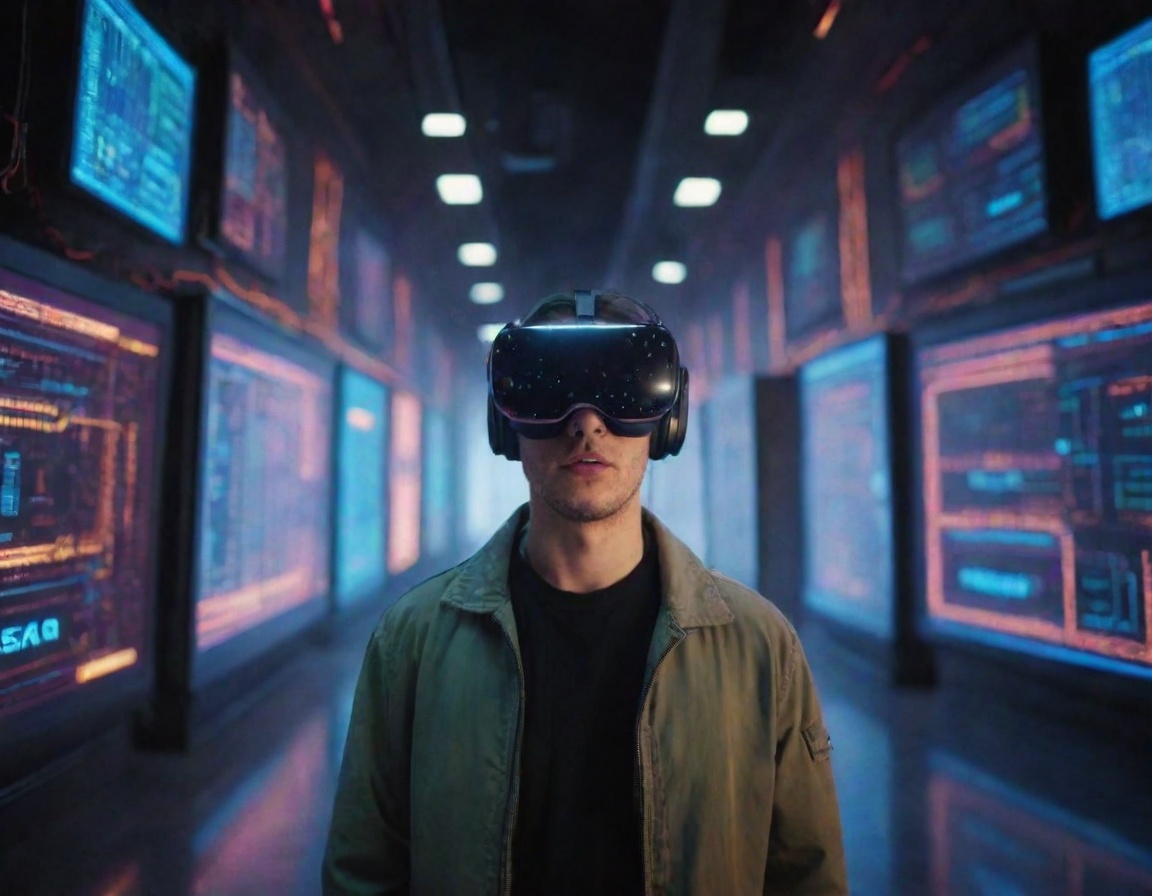
What it is
Extended Reality (XR) is a broad term that encompasses various technologies, including Virtual Reality (VR), Augmented Reality (AR), and Mixed Reality (MR). XR creates immersive, interactive, and engaging experiences that can revolutionize the way we learn. By transporting students to new environments, simulating real-world scenarios, and providing interactive tools, XR can make complex concepts more accessible and enjoyable.
Imagine being able to explore the human body in 3D, walk through historical sites, or practice surgical procedures without any risk. XR can make these experiences possible, allowing students to develop a deeper understanding of the subject matter and retain information more effectively.
Why it matters
The traditional classroom setting can be limiting, with students often relying on textbooks, lectures, and memorization to learn. XR offers a more dynamic and engaging approach, one that can cater to different learning styles and abilities. By incorporating XR into education, we can:
* Increase student engagement and motivation * Improve knowledge retention and understanding * Enhance critical thinking and problem-solving skills * Provide personalized learning experiences * Bridge the gap between theory and practice
Where you’ll see it first
XR is already being used in various educational settings, from primary schools to universities. Teachers and educators are experimenting with different XR tools and platforms to create interactive lessons, simulations, and games. Some examples include:
* Virtual field trips to historical sites or museums * Interactive science experiments and simulations * Language learning apps that use AR to practice conversations * Virtual reality experiences that allow students to explore the human body or practice surgical procedures
The trade-offs and worries
While XR has the potential to revolutionize education, there are also concerns and trade-offs to consider. Some of these include:
* Cost: Developing and implementing XR experiences can be expensive, especially for schools with limited budgets. * Accessibility: Not all students have access to the necessary hardware or internet connectivity to use XR technology. * Equity: XR experiences may not be equally effective for all students, particularly those with disabilities or language barriers. * Over-reliance: Relying too heavily on XR technology can lead to a lack of critical thinking and problem-solving skills.
What to watch next
As XR technology continues to evolve, we can expect to see even more innovative applications in education. Some areas to watch include:
* The development of more affordable and accessible XR hardware * The creation of more personalized and adaptive XR experiences * The integration of XR with other technologies, such as artificial intelligence and the Internet of Things * The exploration of new use cases, such as XR therapy and rehabilitation
Conclusion
XR has the potential to unlock a new era of learning, one that is more engaging, interactive, and effective. As we continue to explore the possibilities of XR in education, we must also address the challenges and trade-offs that come with it. By doing so, we can create a brighter future for students and educators alike, one that is filled with endless possibilities and opportunities for growth.