
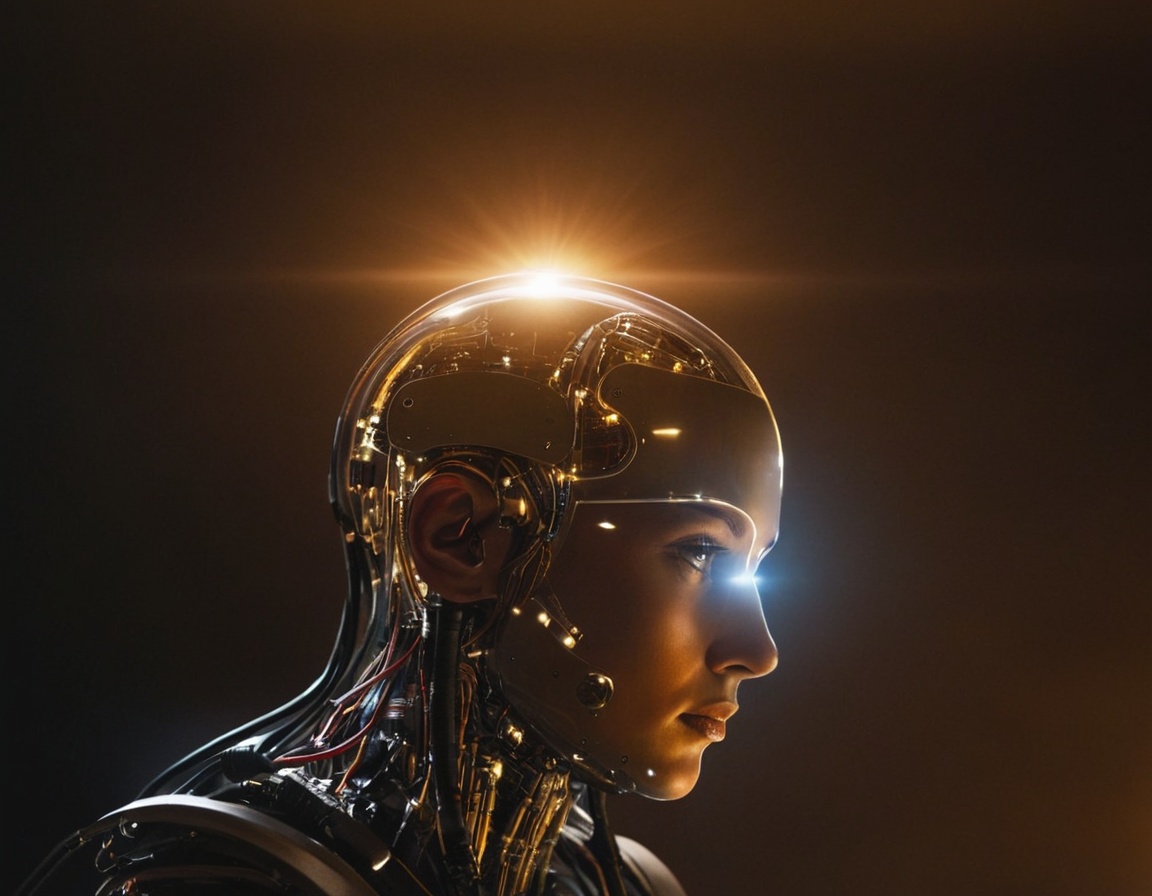
What it is
Neural networks are a type of machine learning model inspired by the structure and function of the human brain. They consist of layers of interconnected nodes or "neurons" that process and transmit information, allowing the network to learn from data and make predictions or decisions.
Imagine a complex web of interconnected nodes, each one receiving and sending signals to and from its neighbors. This web-like structure enables the network to recognize patterns and relationships in the data, much like our brains do when we learn and remember new information.
Why it matters
Neural networks have revolutionized the field of artificial intelligence, enabling machines to learn from experience and improve their performance over time. They have numerous applications in areas such as image and speech recognition, natural language processing, and decision-making.
The ability of neural networks to learn and adapt has made them a crucial component of many modern technologies, from virtual assistants like Siri and Alexa to self-driving cars and medical diagnosis systems.
Where you’ll see it first
Neural networks are already being used in many areas of our lives, often without us even realizing it. For example, when you take a selfie and the camera automatically detects your face and applies a filter, that's a neural network at work.
When you ask a virtual assistant to play your favorite song, the network is using its knowledge of music patterns and genres to select the correct track. And when you use a self-driving car, the network is analyzing sensor data and making decisions in real-time to navigate the road safely.
The trade-offs and worries
While neural networks have many benefits, they also raise concerns about their reliability, security, and potential biases. For instance, if a network is trained on biased data, it may learn to perpetuate those biases, leading to unfair outcomes.
Additionally, the complexity of neural networks can make them difficult to understand and interpret, which can lead to concerns about transparency and accountability.
What to watch next
As neural networks continue to evolve and improve, we can expect to see even more innovative applications in areas such as healthcare, finance, and education. Researchers are also exploring new techniques for making neural networks more explainable and transparent, which will be crucial for building trust in these systems.
Conclusion
As we continue to unravel the mysteries of neural networks, one thing is clear: these complex systems are revolutionizing the way we live, work, and interact with technology. And as we push the boundaries of what's possible with neural networks, we'll be creating a future that's more intelligent, more connected, and more human than ever before.